The Galleries
Nine rooms, in the order the floor actually sends you
The route is mostly a one-way ribbon. You drop a level, you walk the sequence, you come out by the shop. I used to stand in three of these rooms all day. Here is where I told groups to slow down, and where I waved them through.
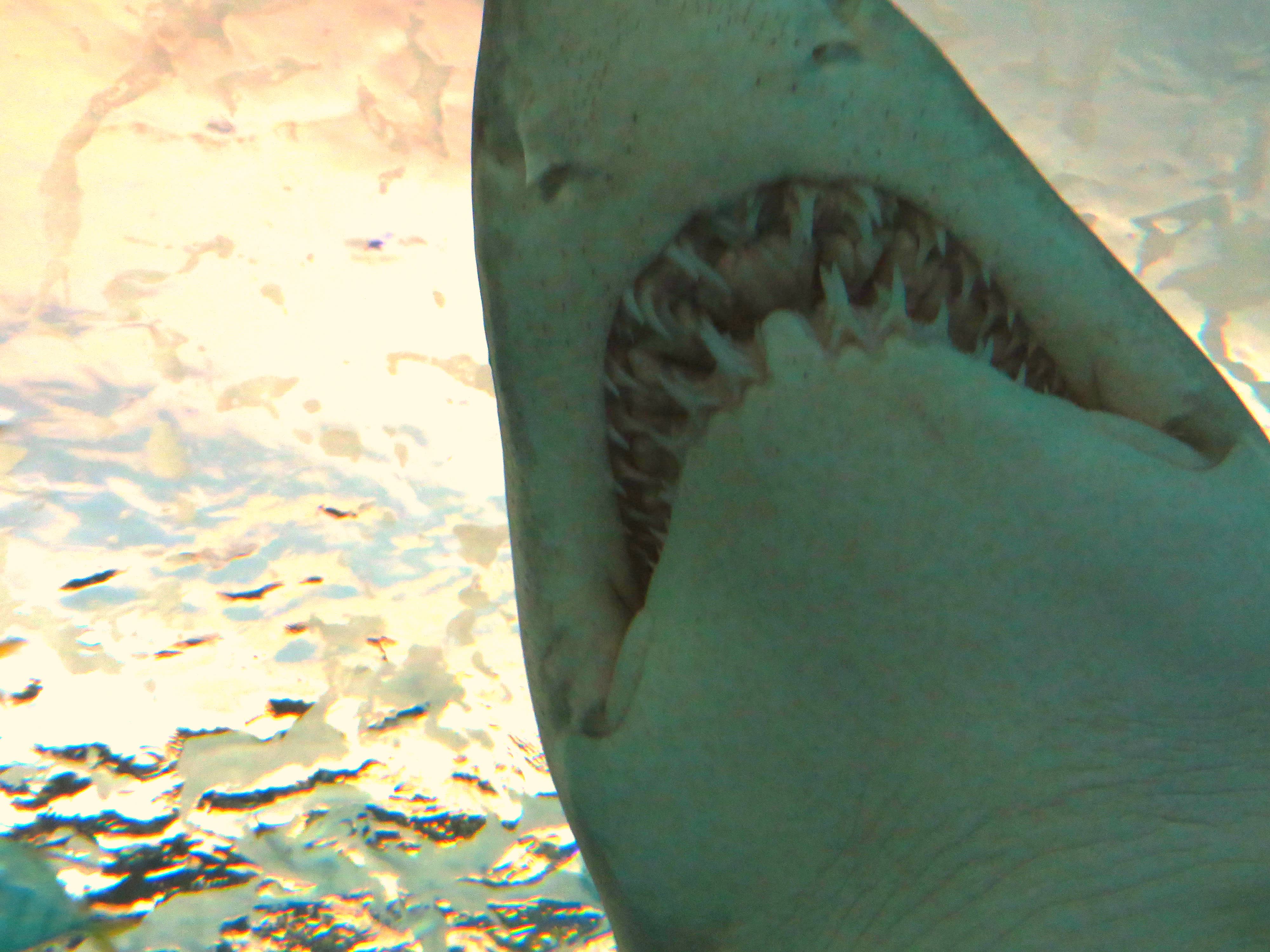
1. The tunnel with the moving walkway
Acrylic overhead. Sharks, southern stingrays, sea turtles, the big grouper that holds still like a truck. You can ride the belt or step onto the fixed ledge beside it. On a weekday morning you can stand. On a peak Saturday the belt is so slow that people think it has stopped. Linger here if you only linger once.
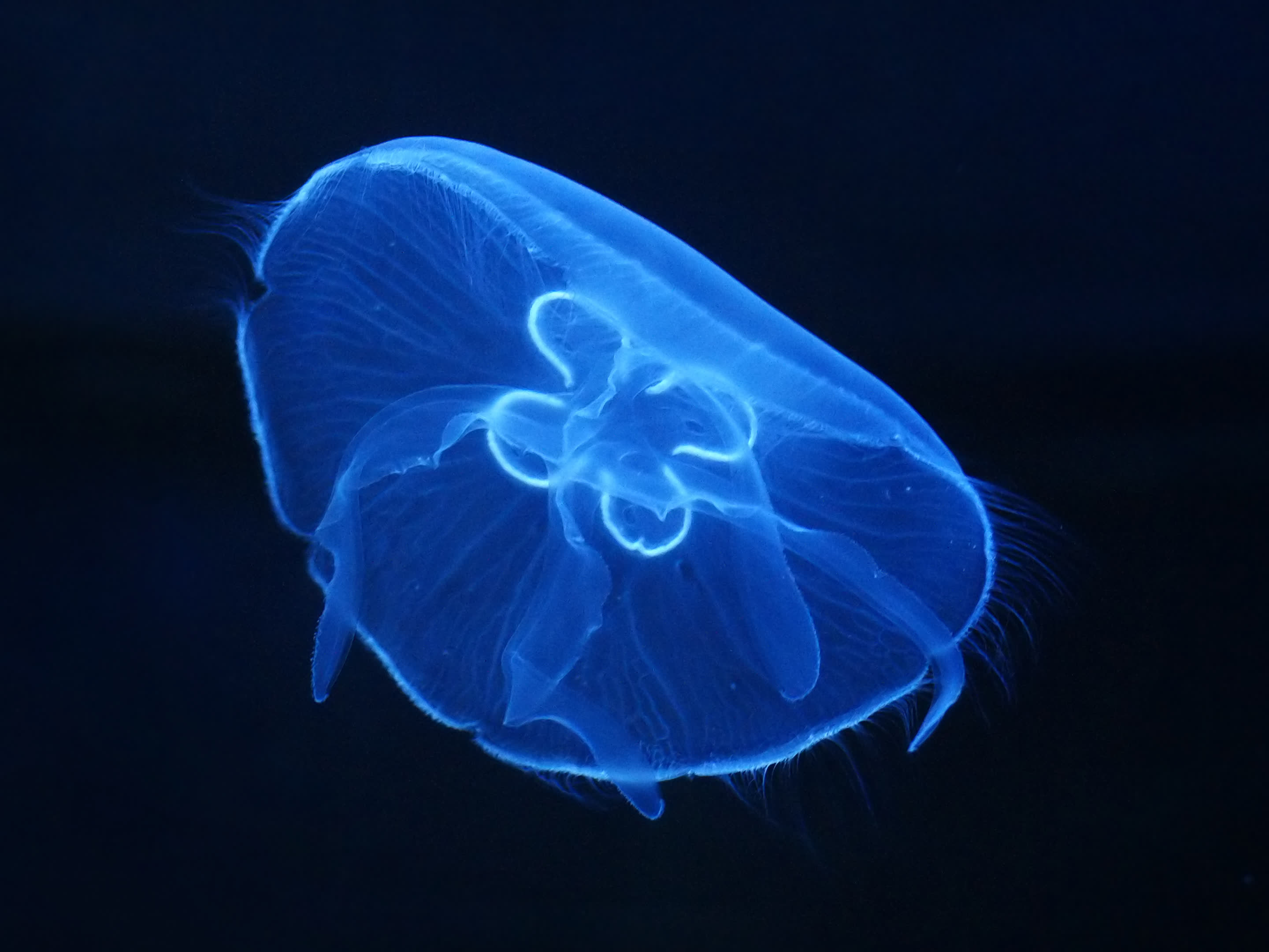
2. The jellyfish gallery
Dark room, moon jellies, that blue that photographs well. Kids go quiet. Two to five minutes is honest unless someone in your group is the jellyfish person. Then ten.
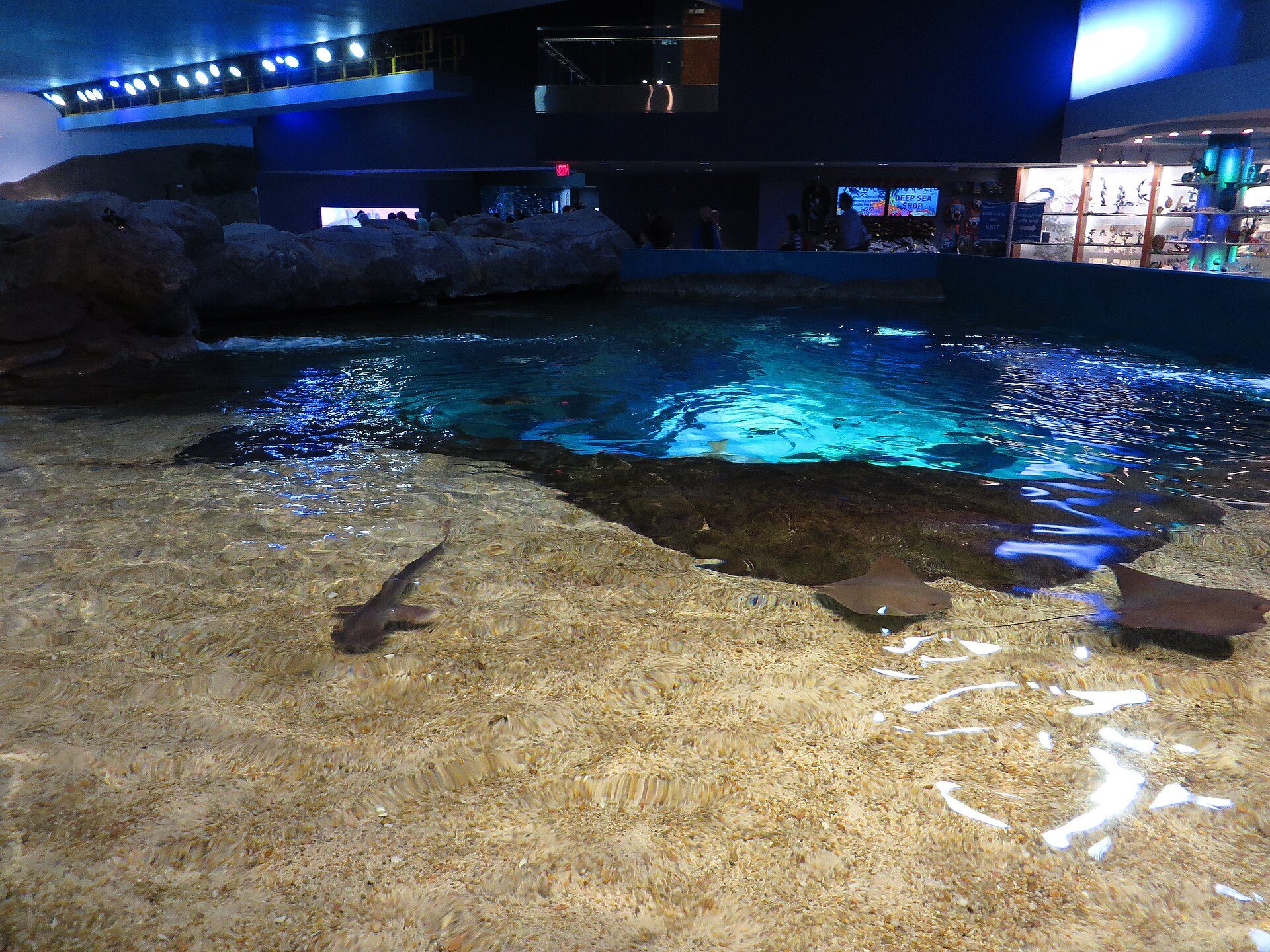
3. The touch pool
This was my post. Rays and the usual shallow-water animals, staff with a script they have said a thousand times and still mean. Wash in, wash out. If you have a school group, budget real time. If you are two adults in a hurry, still stop — it is the only place in the building where a child can be in the story, not just looking at glass.
4. Ray Bay
A bigger, deeper bowl of rays. Good viewing from the rail. Worth a slow lap. Not worth a second lap unless the tunnel was packed and you need a reset.
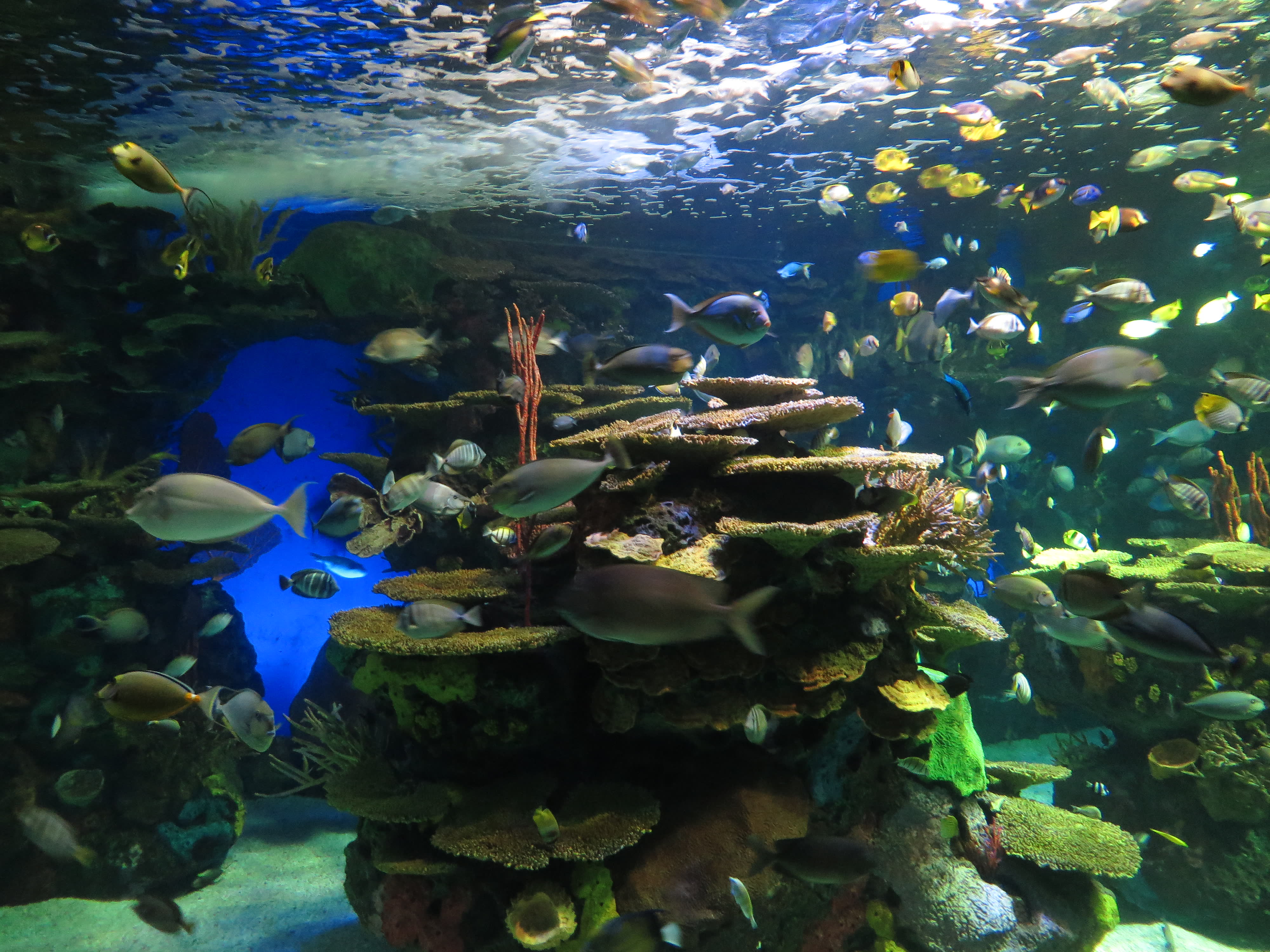
5. Rainbow Reef
Colour, the tropical tank people remember in photos. School groups clump here. Weekday morning: lovely. Saturday afternoon: you will see backpacks.
6–9. The small galleries people walk past
After the famous rooms the path still has four quieter tanks — temperate fish, a smaller predator window, the odd invertebrate case, a gallery that looks like a corridor until you stop. This is where I sent kids who were overstimulated. Two minutes each. Nobody will photograph them. That is the point.
You exit toward the shop. That is not a gallery. Keep walking if you want the day to stay about the animals.
Tessa Nguyen · floor notes, not a box office